
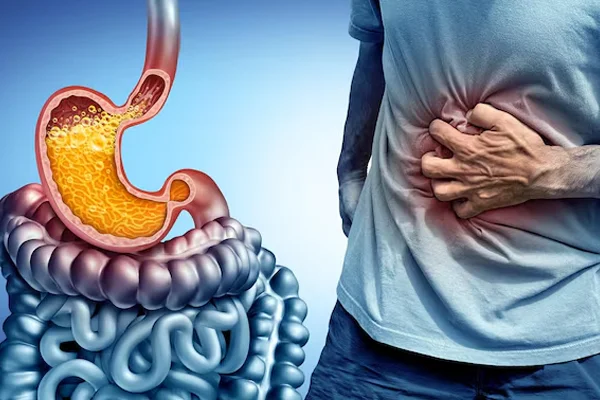
Acid reflux, also known as gastroesophageal reflux (GER), occurs when stomach contents flow back into the oesophagus. When this happens repeatedly and causes troublesome symptoms or complications, it is known as gastroesophageal reflux disease (GERD). Common symptoms include heartburn and regurgitation, although GERD can present differently in different patients.
Dr. Ankit Ahuja is a General and Laparoscopic Surgeon in Faridabad with specialized FNB training in Minimal Access Surgery. With expertise in gastrointestinal and minimally invasive surgery, he provides evaluation and treatment planning for patients experiencing persistent acid reflux and related digestive symptoms.
Treatment for GERD depends on the severity and frequency of symptoms, response to medicines and lifestyle changes, presence of complications, and individual patient factors.
Acid reflux occurs when stomach contents move upward into the oesophagus. Normally, the lower oesophageal sphincter helps prevent this backward flow. If the sphincter relaxes inappropriately or becomes weak, reflux can occur.
Occasional reflux can happen to many people. However, frequent reflux that causes troublesome symptoms or complications may indicate GERD and may require medical evaluation.
Persistent reflux can irritate and damage the lining of the oesophagus. In some patients, untreated GERD may be associated with complications such as oesophagitis, narrowing of the oesophagus or Barrett's oesophagus.
The symptoms of acid reflux can vary from person to person. Common symptoms include:
Heartburn and regurgitation are considered the classic symptoms of GERD.
Not every symptom involving the chest or throat is caused by acid reflux. Persistent or unusual symptoms should be evaluated to rule out other conditions.
GERD can develop due to several factors affecting the normal barrier between the stomach and oesophagus.
Common contributing factors include:
Overweight or obesity can increase the likelihood of reflux symptoms, and weight management may help improve GERD symptoms in appropriate patients.
Food triggers can vary considerably between individuals. Some foods and drinks commonly associated with worsening GERD symptoms include:
Rather than avoiding every food on a standard list, patients can identify foods that consistently worsen their own symptoms and discuss dietary changes with their doctor.
Eating smaller meals and avoiding food for around 2–3 hours before bedtime may also help reduce nighttime reflux symptoms.
In many patients, GERD can initially be assessed through symptoms and medical history. When symptoms do not improve with treatment, are atypical, or suggest a complication, additional testing may be required.
An upper gastrointestinal endoscopy allows the doctor to examine the oesophagus, stomach and upper digestive tract using a flexible camera. It can help identify inflammation, ulcers, narrowing, Barrett's oesophagus or other conditions that may explain the symptoms.
Oesophageal pH monitoring measures acid exposure in the oesophagus and can help confirm reflux when the diagnosis is uncertain. It may also be used when symptoms continue despite treatment.
Manometry measures how the oesophagus contracts and how the lower oesophageal sphincter functions. It may be useful in selected patients, particularly when a motility disorder needs to be ruled out or before certain surgical procedures.
The diagnostic approach is individualized according to the patient's symptoms and clinical findings.
Lifestyle modifications can play an important role in controlling reflux symptoms.
Your doctor may recommend:
Weight loss is specifically recommended for overweight and obese patients with GERD symptoms, while avoiding meals within 2–3 hours of bedtime may help reduce nighttime reflux.
When lifestyle changes alone are not sufficient, medicines may be used to control GERD symptoms.
Antacids can provide short-term relief from mild heartburn by neutralizing stomach acid. They are generally intended for occasional symptom relief rather than unsupervised long-term daily use.
H2 blockers reduce the amount of acid produced by the stomach and can help manage certain reflux symptoms.
Proton pump inhibitors (PPIs) reduce stomach acid production and are among the main medical treatments for GERD. They are effective for controlling symptoms and healing acid-related damage to the oesophageal lining.
Medication should be taken according to medical advice, particularly when symptoms are frequent or long-term treatment is being considered.
Most patients with GERD can be managed with lifestyle measures and medication. However, anti-reflux surgery may be considered in selected patients with objectively confirmed GERD, particularly those with persistent troublesome symptoms, severe reflux oesophagitis, or a large hiatal hernia.
Surgery may also be considered when a patient does not achieve satisfactory control with appropriate medical treatment or prefers a surgical approach after discussing the potential benefits and risks.
A detailed evaluation is important before considering surgery.
Laparoscopic fundoplication is a commonly performed surgical treatment for selected patients with GERD. During the procedure, the upper part of the stomach is wrapped around the lower oesophagus to strengthen the anti-reflux barrier.
The procedure is performed through small abdominal incisions using laparoscopic instruments. In suitable patients, laparoscopic surgery can provide long-term improvement in reflux symptoms.
Before surgery, appropriate testing may be recommended to confirm that reflux is responsible for the symptoms and to assess oesophageal function.
A hiatal hernia occurs when part of the stomach moves upward through the opening in the diaphragm. It can contribute to reflux in some patients.
When GERD is associated with a significant hiatal hernia, surgical treatment may involve repairing the hernia along with an anti-reflux procedure when clinically appropriate.
The decision depends on the size and type of hernia, reflux severity, symptoms and investigation findings.
Effective management can help:
Treatment should be tailored to the underlying cause and severity rather than relying solely on long-term self-medication.
You should consult a doctor if:
Difficulty swallowing, unexplained weight loss, gastrointestinal bleeding and other alarm symptoms warrant appropriate diagnostic evaluation rather than routine empirical treatment alone.
Chest pain should also be assessed carefully. Chest pain accompanied by shortness of breath or pain spreading to the jaw or arm can indicate a cardiac emergency and requires immediate medical attention.
Dr. Ankit Ahuja is a General and Laparoscopic Surgeon with specialized FNB training in Minimal Access Surgery. His professional experience includes advanced laparoscopic surgery, gastrointestinal procedures and minimally invasive surgical techniques.
Frequent heartburn, regurgitation and persistent acidity should not always be treated as ordinary indigestion. Recurrent symptoms may indicate GERD and may require proper evaluation.
Dr. Ankit Ahuja provides acid reflux and GERD treatment in Faridabad, including clinical evaluation, treatment planning and surgical consultation for suitable patients. Depending on the symptoms and diagnostic findings, management may include lifestyle modifications, medicines, further testing or laparoscopic anti-reflux surgery.
The most appropriate treatment is determined after assessing the patient's symptoms, medical history, investigations and response to previous treatment.
GERD is a chronic form of acid reflux in which stomach contents repeatedly flow back into the oesophagus and cause troublesome symptoms or complications.
Heartburn and regurgitation are the most common symptoms. Some people may also experience difficulty swallowing, chest or upper abdominal discomfort, or nighttime symptoms.
Yes. Most patients are initially managed with lifestyle modifications and appropriate medicines. Surgery is considered only for selected patients.
Spicy foods, high-fat foods, chocolate, caffeine, mint, citrus fruits and tomatoes may worsen symptoms in some people. Individual triggers can vary.
Yes. GERD symptoms may become worse when lying down. Avoiding meals close to bedtime and elevating the head during sleep may help selected patients.
Depending on the symptoms, evaluation may include upper GI endoscopy, oesophageal pH monitoring and other tests such as manometry.
Anti-reflux surgery may be considered for selected patients with objectively confirmed GERD, particularly those with severe oesophagitis, large hiatal hernias or persistent troublesome symptoms despite appropriate management.
A General and Laparoscopic Surgeon can evaluate patients with persistent GERD and provide surgical consultation when appropriate. Dr. Ankit Ahuja provides acid reflux and GERD treatment options in Faridabad.



Write a Reply or Comment