
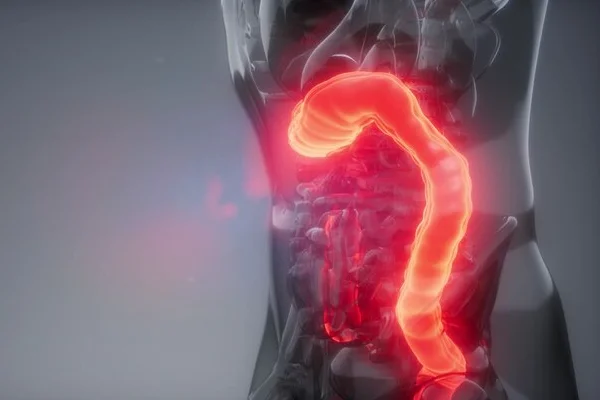
Appendicitis is an inflammation and infection of the appendix, a small pouch attached to the large intestine. It commonly causes abdominal pain that may begin around the navel and later move toward the lower right side of the abdomen. Appendicitis can progress quickly and requires timely medical evaluation and treatment.
Dr. Ankit Ahuja is a General and Laparoscopic Surgeon in Faridabad with specialized FNB training in Minimal Access Surgery. He provides surgical evaluation and treatment for appendicitis, including laparoscopic appendectomy for patients who are appropriate candidates for minimally invasive surgery.
Appendicitis occurs when the appendix becomes inflamed and infected. A blockage inside the appendix can contribute to inflammation and swelling. If the condition is not treated appropriately, the appendix may rupture, potentially causing infection within the abdominal cavity, known as peritonitis.
Because appendicitis can resemble several other abdominal conditions, proper clinical assessment is important before treatment is planned.
The symptoms of appendicitis can vary from person to person. Common symptoms include:
Not everyone experiences the typical pattern of symptoms. Pain may develop differently in young children, older adults, and pregnant women.
Severe abdominal pain, particularly pain that rapidly worsens or spreads across the abdomen, requires urgent medical attention because it can indicate a ruptured appendix.
The exact cause of appendicitis is not always clear. In many cases, the opening of the appendix becomes blocked, which can result in inflammation and infection. A blockage may be associated with hardened stool or swelling of tissue within the bowel.
Once inflammation develops, pressure inside the appendix can increase. Without appropriate treatment, this can lead to rupture and infection in the abdomen.
Diagnosis begins with a medical history and physical examination. The surgeon evaluates the location and severity of abdominal pain and checks for tenderness or other signs of inflammation.
Depending on the symptoms, investigations may include:
There is no single test that can identify every case of appendicitis, so doctors may use a combination of clinical findings, laboratory tests, and imaging.
Appendicitis generally requires prompt medical treatment. In many cases, the standard treatment is surgical removal of the appendix, known as an appendectomy or appendicectomy.
The appropriate treatment depends on the severity of the condition, whether the appendix has ruptured, the presence of an abscess or appendix mass, and the patient's overall health.
Antibiotics may be used in selected cases, particularly when surgery is not immediately appropriate or when an appendix mass or localized infection is present. The treatment decision should be made by the treating surgical team after proper assessment.
Laparoscopic appendectomy is a minimally invasive procedure used to remove the inflamed appendix. It is performed under general anaesthesia using a camera and specialized surgical instruments inserted through small abdominal incisions.
The surgeon identifies the appendix, separates it from the surrounding structures, removes it, and closes the surgical sites. Laparoscopic surgery is commonly used when appropriate, although open surgery may be required in certain complicated cases.
Dr. Ankit Ahuja evaluates each patient individually to determine the most appropriate surgical approach.
When laparoscopic surgery is suitable, potential benefits may include:
The actual recovery depends on the patient's health, the severity of appendicitis, the surgical technique, and whether complications such as rupture or infection are present.
In some situations, open surgery may be preferred or necessary. This involves making a larger incision in the abdomen to access and remove the appendix.
Open surgery may be considered when the appendix has ruptured, when there is significant infection or an abscess, or when laparoscopic access is not appropriate.
The choice between laparoscopic and open surgery is made based on the patient's individual condition and the surgeon's assessment.
Recovery after appendectomy varies depending on whether the appendix was removed laparoscopically or through open surgery and whether complications were present.
After an uncomplicated laparoscopic procedure, some patients may be able to leave the hospital on the same day or the following day, depending on their clinical condition. Patients with a ruptured appendix or other complications may require a longer hospital stay.
Patients may experience temporary abdominal discomfort, wound soreness, bloating, or changes in bowel habits. Activity should be increased gradually according to the surgeon's instructions.
If appendicitis is not treated promptly, the appendix can rupture. A ruptured appendix may cause infection of the abdominal lining, known as peritonitis, or lead to an abscess. These complications can require urgent treatment with surgery, antibiotics, and sometimes drainage of an abscess.
This is why persistent or worsening abdominal pain should not be ignored.
Dr. Ankit Ahuja is a General and Laparoscopic Surgeon with specialized FNB training in Minimal Access Surgery. His advanced surgical training at GEM Hospital, Coimbatore, has provided focused exposure to laparoscopic and gastrointestinal surgery.
His approach includes:
If you or a family member develops persistent or worsening abdominal pain, particularly pain that moves toward the lower right side of the abdomen, timely medical evaluation is important.
Dr. Ankit Ahuja provides appendicitis treatment in Faridabad, including evaluation and laparoscopic surgical management for suitable patients. The recommended treatment depends on the patient's symptoms, examination findings, investigations, and overall health.
Appendicitis is inflammation and infection of the appendix. It commonly causes abdominal pain and may require urgent treatment.
Common symptoms include abdominal pain, nausea, vomiting, loss of appetite, fever, and changes in bowel habits. Pain often moves toward the lower right side of the abdomen.
In many cases, appendicitis is treated by removing the appendix through an appendectomy. Selected patients may be managed with antibiotics depending on the clinical situation.
Laparoscopic appendectomy is a minimally invasive procedure in which the appendix is removed through small abdominal incisions using a camera and specialized instruments.
In selected cases, antibiotics may be considered instead of immediate surgery. However, treatment depends on the severity and type of appendicitis and the patient's overall condition.
A ruptured appendix can cause infection in the abdominal cavity, including peritonitis and abscess formation. It requires urgent medical treatment.
Recovery varies between patients. Many people recover within one to two weeks after uncomplicated treatment, while recovery can take longer when the appendix has ruptured or other complications occur.
A General and Laparoscopic Surgeon can evaluate and treat appendicitis. Dr. Ankit Ahuja provides surgical consultation and laparoscopic treatment for suitable appendicitis cases in Faridabad.



Write a Reply or Comment