
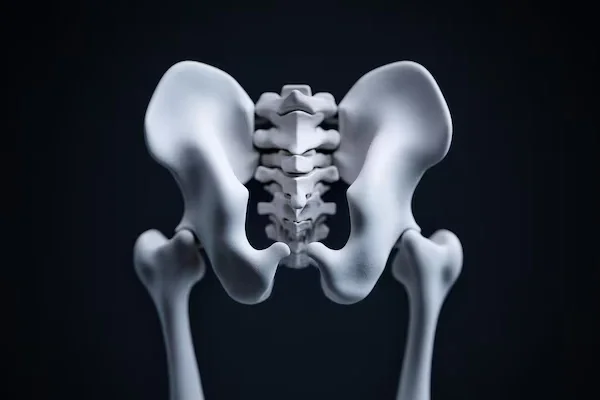
A pilonidal sinus is a small hole or tunnel that develops in the skin at the top of the buttock crease. It may remain unnoticed when there is no infection, but an infected sinus can cause pain, swelling, redness, pus discharge, bleeding, and sometimes an abscess.
Dr. Ankit Ahuja is a General and Laparoscopic Surgeon in Faridabad with specialized FNB training in Minimal Access Surgery. His areas of expertise include advanced proctology and minimally invasive surgical procedures. He evaluates patients with pilonidal sinus and recommends treatment according to the size, symptoms, infection, recurrence, and complexity of the sinus.
A pilonidal sinus is an abnormal tract or opening in the skin, usually located in the cleft between the buttocks. Hair and skin debris can become trapped in the area and contribute to inflammation or infection. Prolonged sitting, friction, sweating, and local hair growth may also contribute to the condition.
Some people have a pilonidal sinus without any symptoms and may not require immediate treatment. Treatment is generally considered when the sinus becomes infected, painful, repeatedly drains, or causes recurrent problems.
Symptoms can vary depending on whether the sinus is infected. Common signs include:
A painful, swollen lump that suddenly develops at the top of the buttock crease may indicate an abscess and should be medically evaluated.
The exact cause is not always clear. In many cases, loose or ingrown hairs become trapped in the skin around the buttock crease, leading to inflammation and sometimes infection. Pressure and friction in the area may also contribute.
Factors associated with pilonidal sinus include:
Having these factors does not necessarily mean a person will develop pilonidal sinus.
Diagnosis usually involves a clinical examination of the affected area. The surgeon assesses the skin openings, swelling, discharge, abscess formation, and extent of the sinus.
In many straightforward cases, additional investigations may not be required. For recurrent or complex disease, further assessment or imaging may sometimes be considered to understand the extent of the sinus tract and plan treatment.
The treatment approach depends on the clinical findings, size of the sinus, symptoms, and whether the condition has occurred previously.
No. An asymptomatic pilonidal sinus may not require surgery. Keeping the area clean and monitoring for signs of infection may be appropriate in selected patients.
However, a painful, infected, repeatedly draining, or recurrent pilonidal sinus may require active treatment. The appropriate procedure depends on the condition and severity.
If a pilonidal sinus develops a painful abscess filled with pus, incision and drainage may be required. The purpose is to release the pus and control the acute infection. Antibiotics may also be prescribed in selected cases.
Drainage treats the acute abscess, but a persistent sinus tract may require additional treatment if the problem keeps recurring.
Laser-assisted treatment is one minimally invasive option for selected pilonidal sinus cases. During laser ablation, the sinus tract is cleaned and a thin laser fibre is introduced into the tract. Laser energy is then used to treat the inner lining, allowing the tract to heal from within.
Laser treatment can involve smaller wounds compared with some conventional procedures and may allow relatively quick recovery in suitable patients. However, it is not appropriate for every pilonidal sinus. The size, number of tracts, infection, recurrence, and complexity of the condition should be assessed before selecting this approach.
Depending on the size and complexity of the sinus, different surgical techniques may be considered.
The sinus and affected tissue are removed, and the wound is allowed to heal gradually. This approach may be considered for larger or repeatedly infected sinuses.
The sinus is removed and the wound is closed using sutures or an appropriate closure technique. This can provide a different recovery pathway but may have specific wound-related risks.
Endoscopic pilonidal sinus treatment uses a small camera and instruments to examine, clean, and treat the sinus through small openings. It is a minimally invasive approach that may be suitable for selected patients.
The best procedure depends on the individual patient's anatomy and clinical condition.
When an appropriate minimally invasive procedure is selected, potential benefits may include:
For example, laser ablation may avoid the larger cuts associated with some conventional procedures and can allow many suitable patients to return home the same day.
Individual recovery varies and depends on the extent of disease and treatment performed.
Recovery depends on the procedure used and the severity of the pilonidal sinus. After treatment, patients are generally advised to keep the area clean and dry and follow the surgeon's wound-care instructions.
Depending on the procedure, aftercare may include:
After laser treatment, mild soreness or temporary fluid discharge can occur while the sinus heals.
Yes. Pilonidal sinus can recur after treatment. The risk depends on factors such as the complexity of the disease, wound healing, previous infections, and the treatment technique used. Different surgical approaches have different recurrence and wound-healing profiles.
Following postoperative instructions and maintaining appropriate local hygiene can support recovery.
You should seek medical evaluation if you notice:
A painful, swollen lump with pus or bleeding may indicate an infected pilonidal sinus and should be evaluated promptly.
Dr. Ankit Ahuja is a General and Laparoscopic Surgeon with specialized FNB training in Minimal Access Surgery. His expertise includes minimally invasive surgical techniques and modern proctology.
Persistent pain, swelling, discharge, or recurrent abscess near the tailbone should not be ignored. Early evaluation can help determine whether you have a pilonidal sinus and whether treatment is required.
Dr. Ankit Ahuja provides pilonidal sinus treatment in Faridabad, including evaluation and minimally invasive treatment options for suitable patients. Depending on the condition, treatment may include drainage, laser-assisted treatment, endoscopic procedures, or conventional surgical techniques.
The recommended treatment is determined after assessing the symptoms, extent of the sinus, infection, recurrence, and overall health.
A pilonidal sinus is a small hole or abnormal tunnel in the skin, usually located at the top of the crease between the buttocks. It can become infected and form an abscess.
Common symptoms include pain, swelling, redness, pus or blood discharge, tenderness, and recurrent abscesses. Fever may occur when there is an infection.
An asymptomatic pilonidal sinus may not need treatment. However, infected or recurrent pilonidal sinus may require drainage or surgical treatment.
Laser treatment involves cleaning the sinus tract and using a laser fibre to treat its inner lining. It is a minimally invasive option for selected patients.
No. Treatment selection depends on the size, number and complexity of sinus tracts, infection, recurrence, and individual clinical factors.
Yes. Recurrence is possible after treatment. The likelihood varies according to the disease characteristics and procedure performed.
Recovery depends on the treatment. Some minimally invasive procedures can allow patients to return to routine activities relatively quickly, while larger excision procedures may require a longer healing period.
A General and Laparoscopic Surgeon with expertise in proctology can evaluate and treat pilonidal sinus. Dr. Ankit Ahuja provides consultation and appropriate surgical or minimally invasive treatment options in Faridabad.



Write a Reply or Comment