
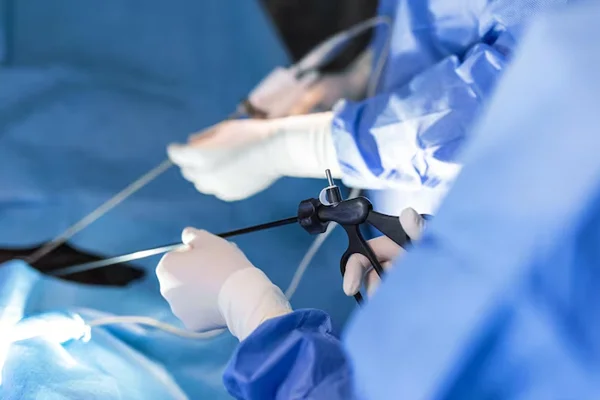
Laparoscopic surgery, also known as minimally invasive or keyhole surgery, is an advanced surgical approach that allows many conditions to be treated through small incisions instead of a large open surgical cut. Using high-definition cameras and specialised surgical instruments, the surgeon can view the internal organs clearly and perform the procedure with greater precision.
Compared with traditional open surgery, laparoscopic surgery may offer several benefits, including smaller incisions, less post-operative pain, reduced blood loss, shorter hospital stays, faster recovery, and minimal scarring. Depending on the patient's medical condition and the complexity of the procedure, laparoscopic techniques can be used for a wide range of abdominal and general surgical conditions.
Gallbladder stones can cause abdominal pain, nausea, vomiting, indigestion, inflammation, and other complications when left untreated. Laparoscopic gallbladder stone surgery in Faridabad is a commonly performed minimally invasive procedure used to remove the gallbladder in patients experiencing symptoms or complications related to gallstones.
The procedure, known as laparoscopic cholecystectomy surgery in faridabad, is performed through small incisions using a camera and specialised instruments. The high-definition camera provides a clear view of the gallbladder and surrounding structures, helping the surgeon perform the procedure with precision. In selected cases where stones are present in the common bile duct, additional procedures such as common bile duct exploration may be required.
Laparoscopic gallbladder surgery generally allows patients to recover faster and experience less post-operative discomfort compared with conventional open surgery. The exact treatment approach is determined after evaluating the patient's symptoms, imaging reports, medical history, and overall condition.
Laparoscopic appendectomy surgery in faridabad is a minimally invasive surgical procedure performed to remove an infected or inflamed appendix. Appendicitis can cause severe abdominal pain and may become a medical emergency if the appendix ruptures or develops serious complications.
During laparoscopic appendectomy, small incisions are made in the abdomen, and a laparoscope equipped with a high-definition camera is used to visualise the appendix and surrounding abdominal organs. Specialised surgical instruments are then used to safely remove the affected appendix.
This keyhole approach can provide several advantages, including smaller scars, reduced post-operative pain, faster mobilisation, and a quicker return to daily activities. Laparoscopic appendectomy may be performed in acute appendicitis and selected chronic or recurrent cases, depending on the patient's clinical evaluation and surgical requirements.
A hernia occurs when an internal organ or tissue pushes through a weak area in the surrounding muscle or abdominal wall. Depending on its location, a hernia may cause swelling, discomfort, pain, or complications if left untreated.
Laparoscopic hernia repair surgery in faridabad is an advanced minimally invasive approach used to treat different types of hernias, including inguinal hernias, ventral hernias, and incisional hernias. The procedure is performed through small incisions using a camera and specialised instruments, allowing the surgeon to access and repair the weakened area with precision.
In appropriate cases, a surgical mesh may be used to reinforce the abdominal wall and provide additional support. Laparoscopic hernia repair can offer benefits such as smaller incisions, reduced tissue trauma, less post-operative discomfort, and faster recovery. The most suitable surgical technique is selected based on the type, size, location, previous surgeries, and overall health of the patient.
Advanced laparoscopic techniques can also be used for selected conditions involving solid abdominal organs. Depending on the diagnosis and clinical requirements, minimally invasive surgery may be performed for procedures such as liver abscess drainage, splenectomy (spleen removal), and nephrectomy (kidney removal).
Laparoscopic liver abscess drainage may be considered in selected cases where drainage is required and other treatment approaches are not suitable or sufficient. The minimally invasive approach allows the affected area to be accessed through small incisions under direct visual guidance.
Laparoscopic splenectomy surgery in faridabad involves the removal of the spleen when surgery is required due to specific diseases, injuries, or other medical conditions. Similarly, laparoscopic nephrectomy surgery in faridabad is performed to remove part or all of a kidney when indicated for certain kidney-related conditions.
These advanced procedures require careful patient evaluation, appropriate surgical planning, and specialised expertise. The choice between laparoscopic and open surgery depends on the patient's condition, the complexity of the procedure, and overall surgical safety.



Write a Reply or Comment