loading

Common Conditions We Treat

Gallbladder Stones

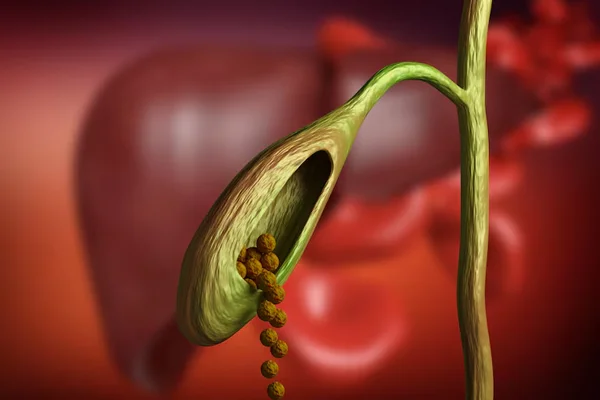
Gallbladder Stones

Gallbladder stones, commonly known as gallstones, are hardened deposits that develop inside the gallbladder. They may be
Hernia

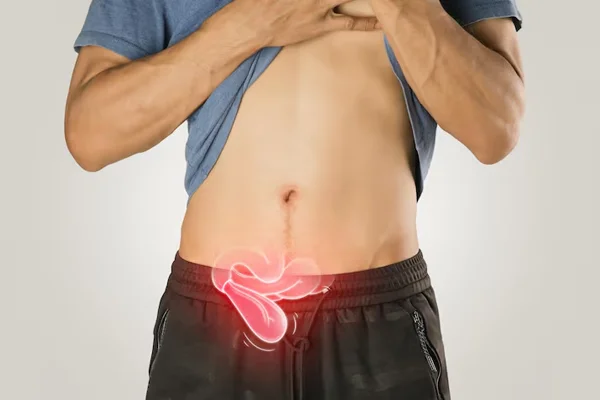
Hernia

A hernia develops when an internal organ or tissue pushes through a weak area in the surrounding muscle or abdominal wal
Appendicitis

Appendicitis

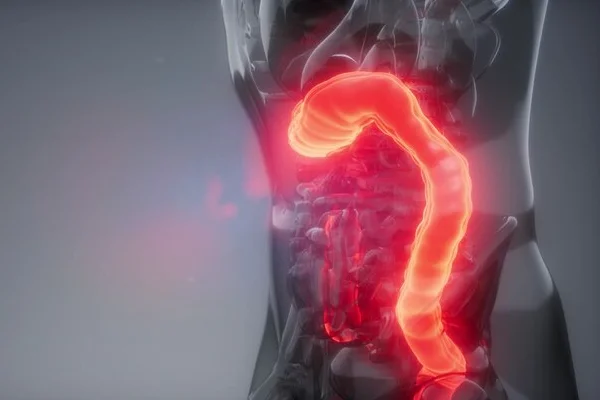
Appendicitis is an inflammation and infection of the appendix, a small pouch attached to the large intestine. It commonl
Piles

Piles

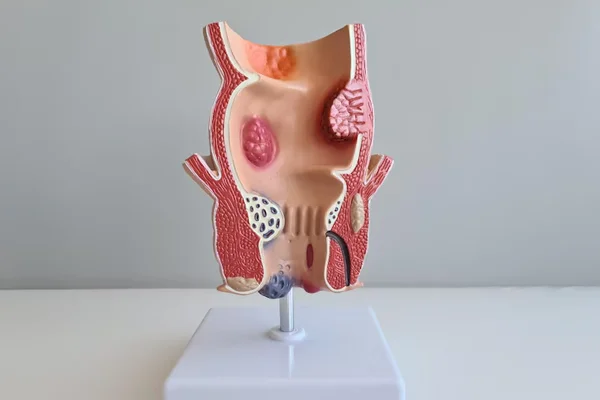
Piles, medically known as haemorrhoids, are swollen blood vessels in and around the anus. They are a common anorectal co

Anal Fissure

Anal Fissure

An anal fissure is a small tear or crack in the lining of the anus. It can cause sharp pain during bowel movements, burn

Anal Fistula

Anal Fistula

An anal fistula is an abnormal tunnel that develops between the inside of the anus or rectum and the skin around the anu
Pilonidal Sinus

Pilonidal Sinus

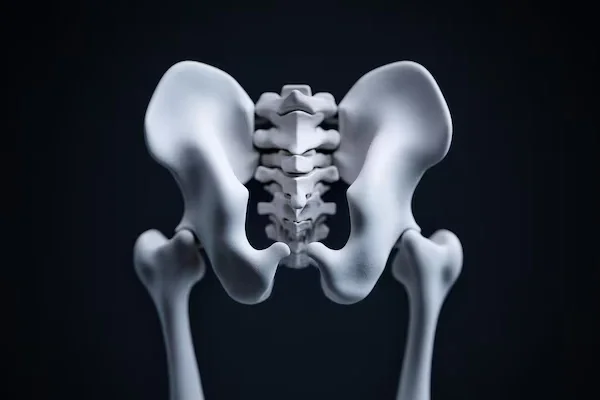
A pilonidal sinus is a small hole or tunnel that develops in the skin at the top of the buttock crease. It may remain un

Breast Lump

Breast Lump

A breast lump is a noticeable area of thickening, swelling, or a distinct mass within the breast tissue. Finding a lump
Thyroid Swelling

Thyroid Swelling

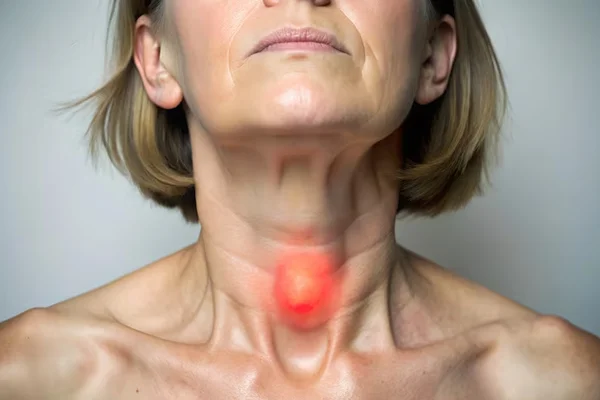
Thyroid swelling refers to an enlargement or noticeable lump in the thyroid gland, which is located at the front of the
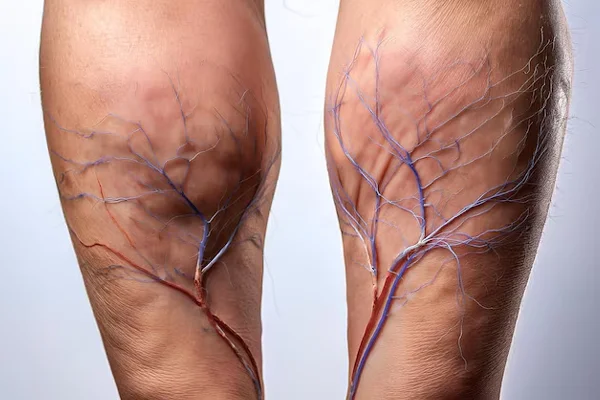
Varicose Veins

Varicose Veins

Varicose veins are enlarged, twisted and swollen veins that commonly appear on the legs. They develop when the valves in
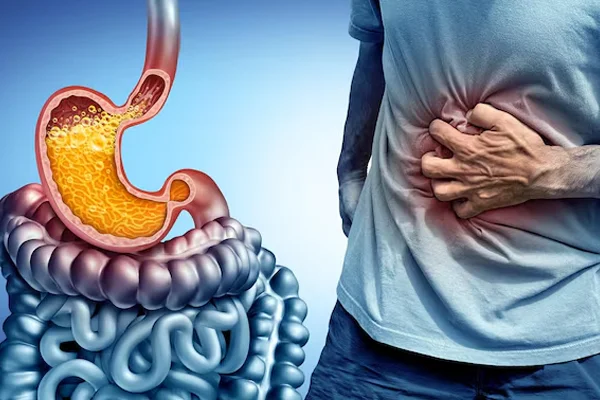
Acid Reflux GERD

Acid Reflux GERD

Acid reflux, also known as gastroesophageal reflux (GER), occurs when stomach contents flow back into the oesophagus. Wh

FAQ

Laparoscopic surgery is a modern technique in which abdominal operations are performed through small keyhole incisions (typically 0.5 to 1.2 cm) rather than a single large cut. A high-definition camera (laparoscope) is inserted to visualize organs, and specialized tools perform the surgery. This leads to significantly less pain, less bleeding, fewer infections, and much faster recovery.
Compared to traditional open surgery, minimally invasive surgery offers major benefits: significantly less post-operative pain, minimal blood loss, lower risk of wound infections, shorter hospital stays (often discharged within 24 hours), minimal scarring, and a much faster return to daily activities.
Yes, laparoscopic procedures are almost always performed under general anesthesia. This ensures that you are asleep, pain-free, and your abdominal muscles are fully relaxed during the procedure.
The surgeon creates tiny keyhole incisions, inflates the abdomen with medical-grade carbon dioxide gas to create working space, and inserts a laparoscope (HD camera) to view the surgical site on a screen. High-precision instruments are then used to perform the operation through the other keyholes.
While most patients are candidate for minimal invasive approaches to abdominal surgeries . It may not be suitable for individuals with severe cardiac/respiratory conditions that prohibit general Anesthesia , or in cases of extensive previous abdominal surgeries with dense adhesions that could not be managed laparoscopically.
Most patients can walk and take light liquids on the same day as surgery. Discharge usually happens within 24 hours. Most daily activities can be resumed in 3 to 5 days, though strenuous exercises and heavy lifting should be avoided for 3 to 4 weeks.
The incisions are very small (ranging from 5mm to 12mm), so the resulting scars are minimal and fade significantly over time, becoming barely noticeable compared to the large, permanent scars left by open surgeries.
Robotic surgery is an advanced form of laparoscopy using a robotic platform like the da Vinci Xi. The surgeon controls highly articulated, wristed instruments from a console. It provides 3D high-definition, magnified vision and unmatched precision compared to the rigid, 2D instruments of standard laparoscopy.
No. The robotic system cannot make decisions or perform maneuvers on its own. Every movement is completely controlled in real-time by the surgeon at the console. The robotic platform simply translates the surgeon's hand movements into micro-movements inside the patient with extreme precision.
Yes, standard laparoscopic and robotic procedures for medical conditions (such as gallbladder stones, hernias, and appendicitis) are widely recognized and covered by most corporate, private, and government health insurance policies.
Get Direction
Book Your Appoinment Now
Call Or Whatsapp Now
+917418538920
+917418538920